It usually starts small. You hold the restaurant menu a little farther away. You turn up the lamp to read the fine print on a medicine label. Headlights on the highway seem brighter than they used to be, and after a long day at the computer your eyes feel tired, dry and heavy.
If that sounds familiar, you're far from alone. According to the CDC, roughly 12 million Americans aged 40 and older live with some form of vision impairment — and many more simply notice that their eyes don't feel as comfortable or focus as easily as they once did.1
Some of these changes are a normal part of aging, and regular eye exams are the single most important thing you can do. But there's another piece of the puzzle that gets far less attention: what your eyes are being fed.
The "yellow spot" at the back of your eye
Near the center of your retina sits the macula, the area responsible for the sharp, detailed vision you use for reading, driving and recognizing faces. It has a natural yellowish tint, and that color comes from two carotenoids: lutein and zeaxanthin.2
Researchers often describe these pigments as a kind of internal filter. They absorb high-energy blue light and act as antioxidants in a part of the eye that works around the clock.2
Here's the catch: your body can't make lutein or zeaxanthin. Every bit has to come from what you eat — mainly dark leafy greens like kale and spinach, plus egg yolks and corn. Most American diets fall well short of that.2
That's why lutein and zeaxanthin were chosen for the National Eye Institute's large AREDS2 study, one of the best-known research programs on eye nutrition ever run in the U.S.3 They have been among the most researched nutrients in eye health ever since.
Sound familiar?
These are the everyday situations that lead many adults over 45 to start paying attention to eye nutrition:
None of these replace a visit to your eye doctor, and any sudden change in your vision should be checked right away. But they are good reasons to look at whether your daily routine gives your eyes the nutrients they rely on.
The nutrients researchers keep coming back to
Beyond lutein and zeaxanthin, a handful of nutrients appear again and again in eye-health research:
Lutein & Zeaxanthin
The two carotenoids concentrated in the macula. Usually sourced from marigold flowers. Not produced by the body.
Bilberry extract
A European cousin of the blueberry, rich in anthocyanin antioxidants. You may have heard the story of WWII pilots eating bilberry jam for night vision. Modern studies haven't confirmed that legend, but bilberry anthocyanins are still studied for their antioxidant activity.
Astaxanthin
A red carotenoid from microalgae. It has been explored in small studies on everyday visual fatigue, such as after prolonged screen use.
Vitamin A
Essential for normal vision. Your retina uses it to form the light-sensing pigment that helps you see in dim light.4
Zinc
An essential mineral found in high concentration in the eye. It helps transport vitamin A from the liver to the retina.5
One daily capsule that brings them together
Getting all of these from food every day is hard. That's where VISIVRA comes in. It's a daily eye-support supplement that combines lutein, zeaxanthin, bilberry extract, astaxanthin, zinc and vitamin A in a single capsule.
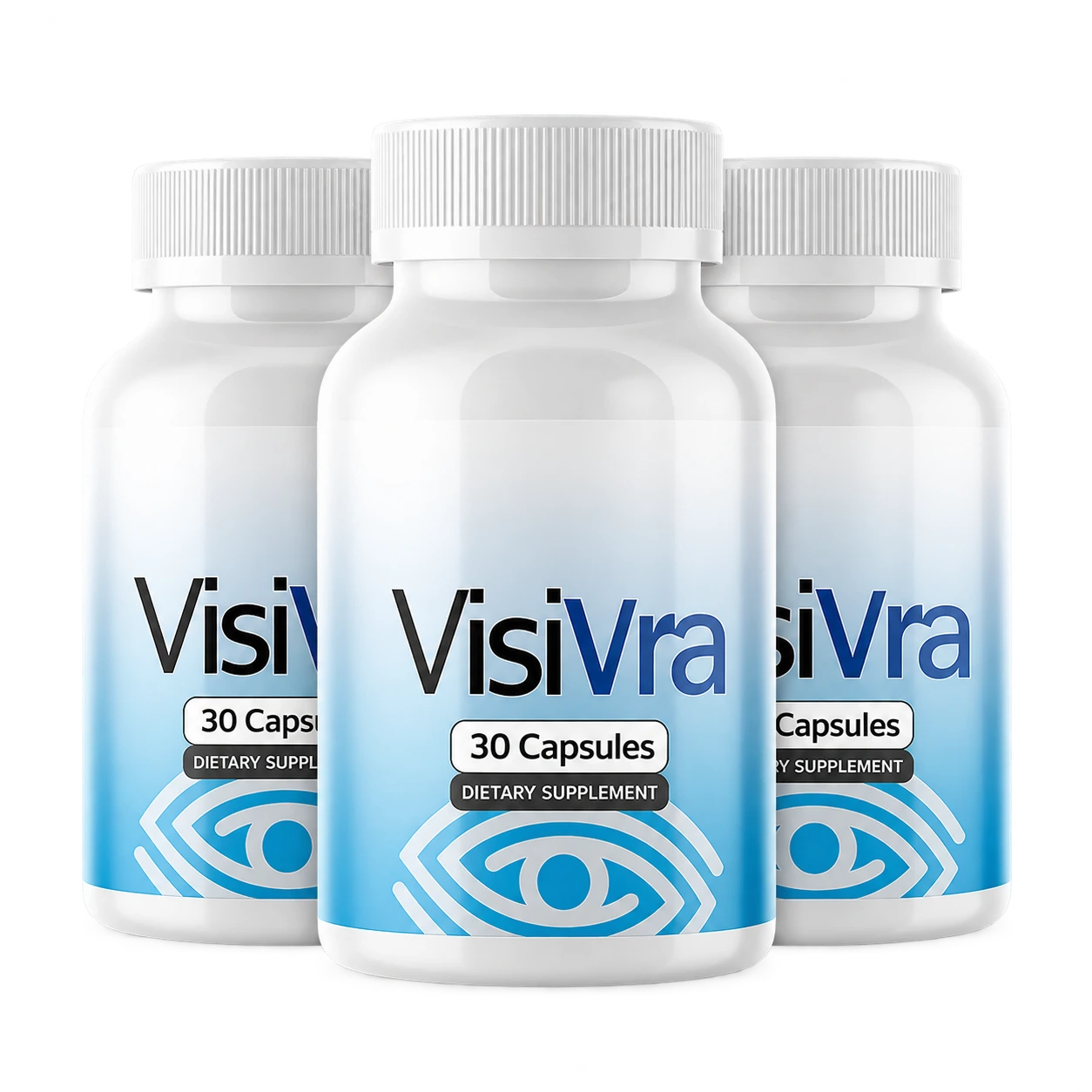
- Formulated to support visual clarity and healthy retinal function
- Provides antioxidant support for eyes exposed to daily screens and sunlight
- Includes the macular carotenoids your body can't produce on its own
- One capsule a day, with breakfast
How people use it
- Take one capsule each morning after breakfast. Carotenoids like lutein are fat-soluble, so taking them with a meal is a sensible habit.
- Stay consistent. Nutrients like lutein build up in the macula gradually, so daily use matters more than any single dose.
- Keep your eye exams. A supplement is a complement to professional eye care, not a replacement for it.
VISIVRA — Current Offer
Sold through the official website. Retailer: BuyGoods.
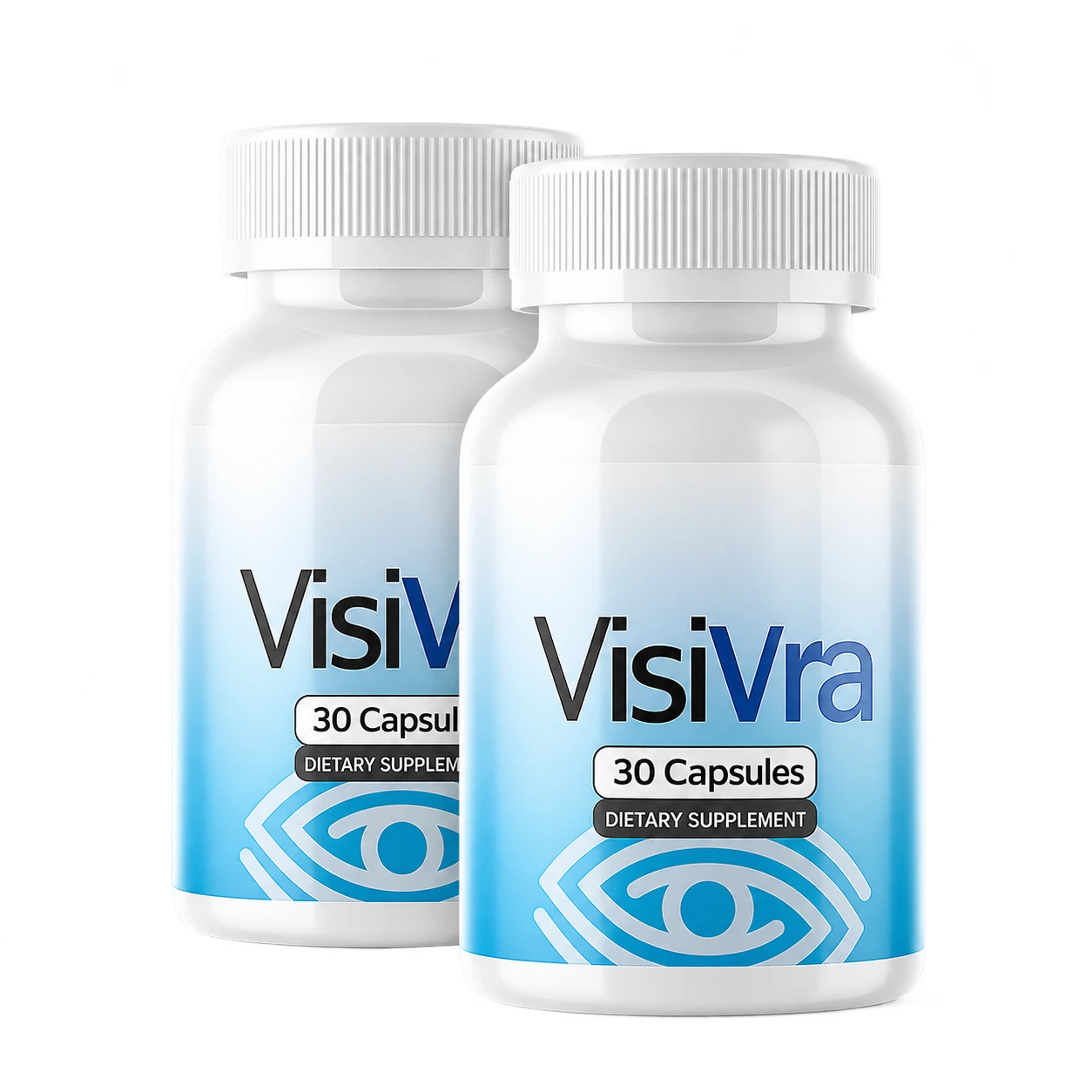 2 bottles$79per bottle
60-day supply
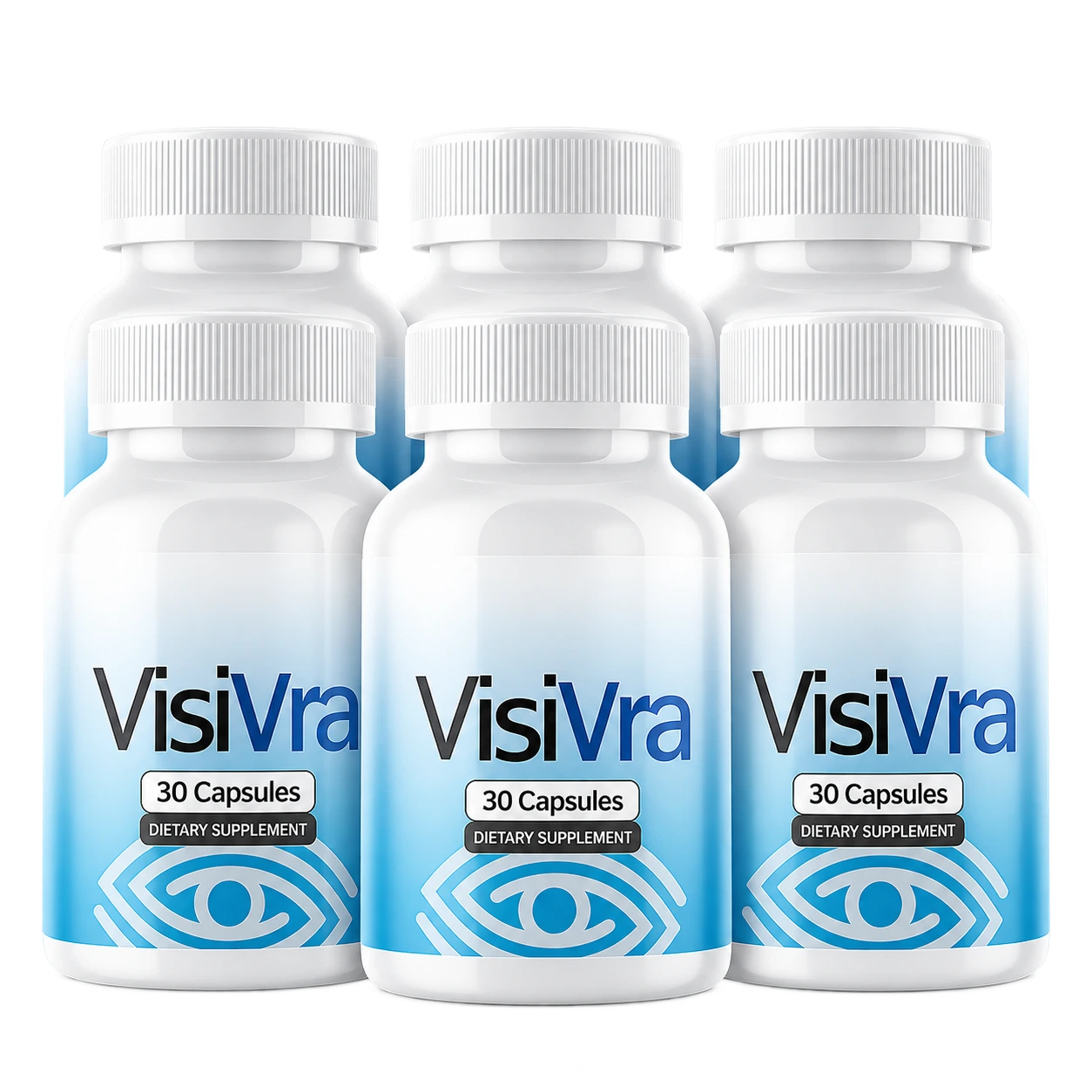 6 bottles$49per bottle
180-day supply
3 bottles$69per bottle90-day supply
Prices can change — confirm the final total and shipping at checkout.
See the Official VISIVRA WebsiteCheck current availability and packages60-day money-back guarantee. According to the official website, every order is covered for 60 days. If you're not satisfied, you can request a full refund under the seller's return policy.
Frequently asked questions
Is VISIVRA a medicine?
No. VISIVRA is a dietary supplement. It is not intended to diagnose, treat, cure or prevent any disease, and it is not a substitute for glasses, prescribed treatment or professional eye care.
Who should talk to a doctor first?
Anyone who is pregnant or nursing, takes prescription medication, or is managing a medical or eye condition should consult a healthcare professional before starting any supplement.
Can't I just eat more leafy greens?
Absolutely, and you should. A diet rich in dark leafy greens, colorful vegetables and eggs is the foundation. A supplement can help fill the gap on days when your diet falls short.
How long until I notice anything?
Individual experience varies. Carotenoids accumulate in eye tissue gradually, which is why consistent daily use is usually recommended.
Where can I buy it?
VISIVRA is sold through its official website. Buying there lets you confirm current pricing, shipping and the money-back guarantee terms.
Sources
- Centers for Disease Control and Prevention — Fast Facts: Vision Loss.
- Peer-reviewed review (PubMed) — Potential roles of dietary zeaxanthin and lutein in macular health and function.
- National Eye Institute — AREDS/AREDS2 Frequently Asked Questions.
- NIH Office of Dietary Supplements — Vitamin A Fact Sheet for Consumers.
- NIH Office of Dietary Supplements — Zinc Fact Sheet for Consumers.